


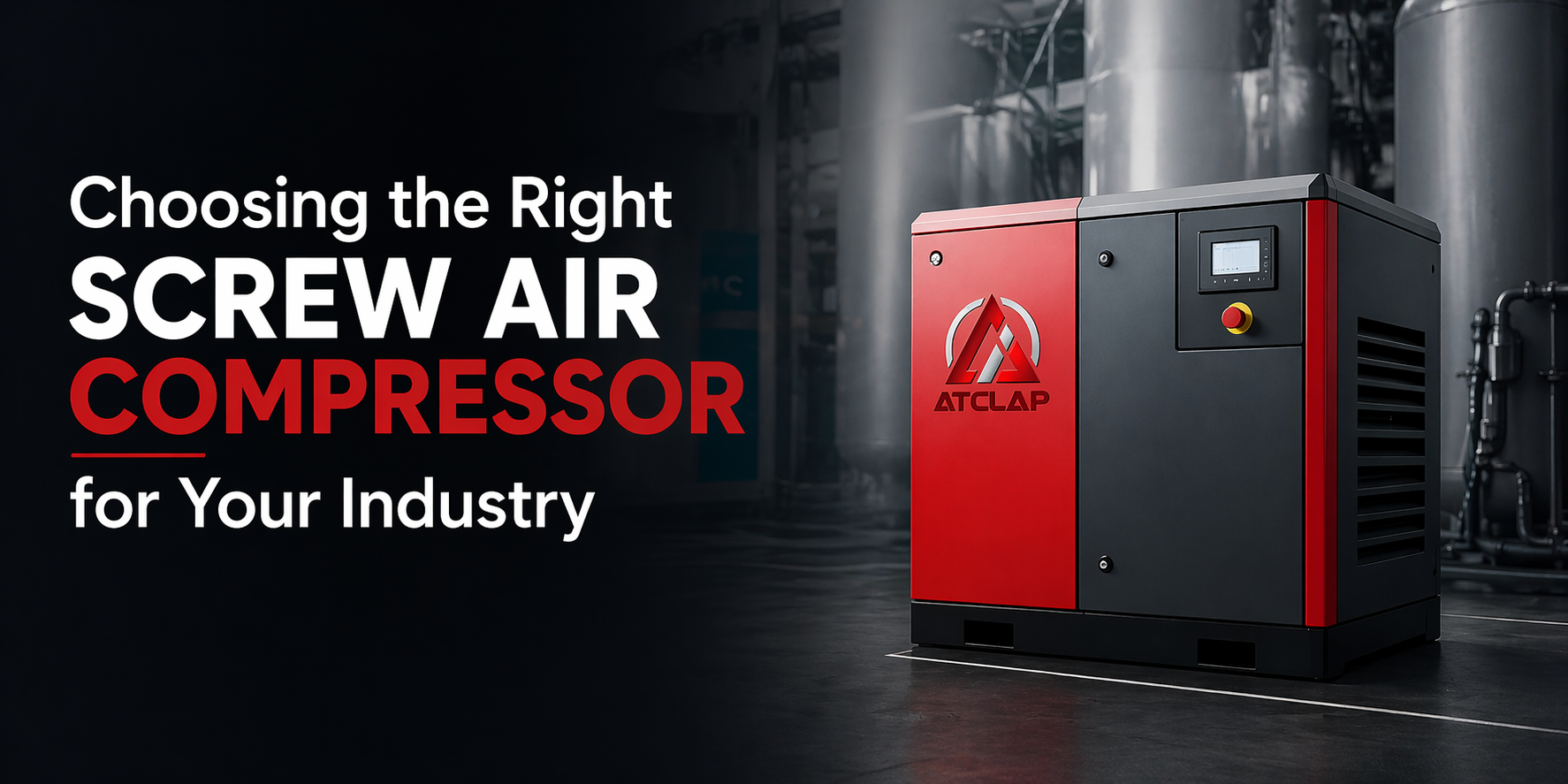
Choosing the right screw air compressor is essential for ensuring efficient and reliable industrial operations. Different industries have varying compressed air requirements, and selecting the appropriate system can significantly impact productivity, energy consumption, and overall performance. Understanding your operational needs is the first step in making the right choice.
Screw air compressors are known for their continuous operation, high efficiency, and durability. They are ideal for applications requiring a steady air supply, such as manufacturing, automotive, and heavy engineering industries. By evaluating factors like air demand, pressure requirements, and working environment, businesses can choose a compressor that aligns perfectly with their operational goals.
The right screw air compressor enhances efficiency, reduces downtime, and ensures consistent performance—making it a critical investment for long-term industrial success.
It is also important to consider energy efficiency and maintenance requirements while selecting a compressor. Modern screw compressors come with advanced features like variable speed drives and smart control systems, which optimize performance and reduce energy consumption. This not only lowers operational costs but also extends the lifespan of the equipment.
Key Factors to Consider When Choosing a Screw Air Compressor
Selecting the right compressor involves evaluating multiple technical and operational factors. Making an informed decision ensures optimal performance, cost savings, and long-term reliability for your business.
- Assessing Air Flow and Pressure Requirements
- Choosing Between Fixed Speed and Variable Speed Compressors
- Evaluating Energy Efficiency and Operating Costs
- Considering Installation Space and Environmental Conditions
- Ensuring Easy Maintenance and Service Support
By carefully analyzing these factors, businesses can invest in a screw air compressor that meets their specific needs and supports efficient operations. The right choice not only improves productivity but also ensures long-term cost savings and reliable performance in demanding industrial environments.