


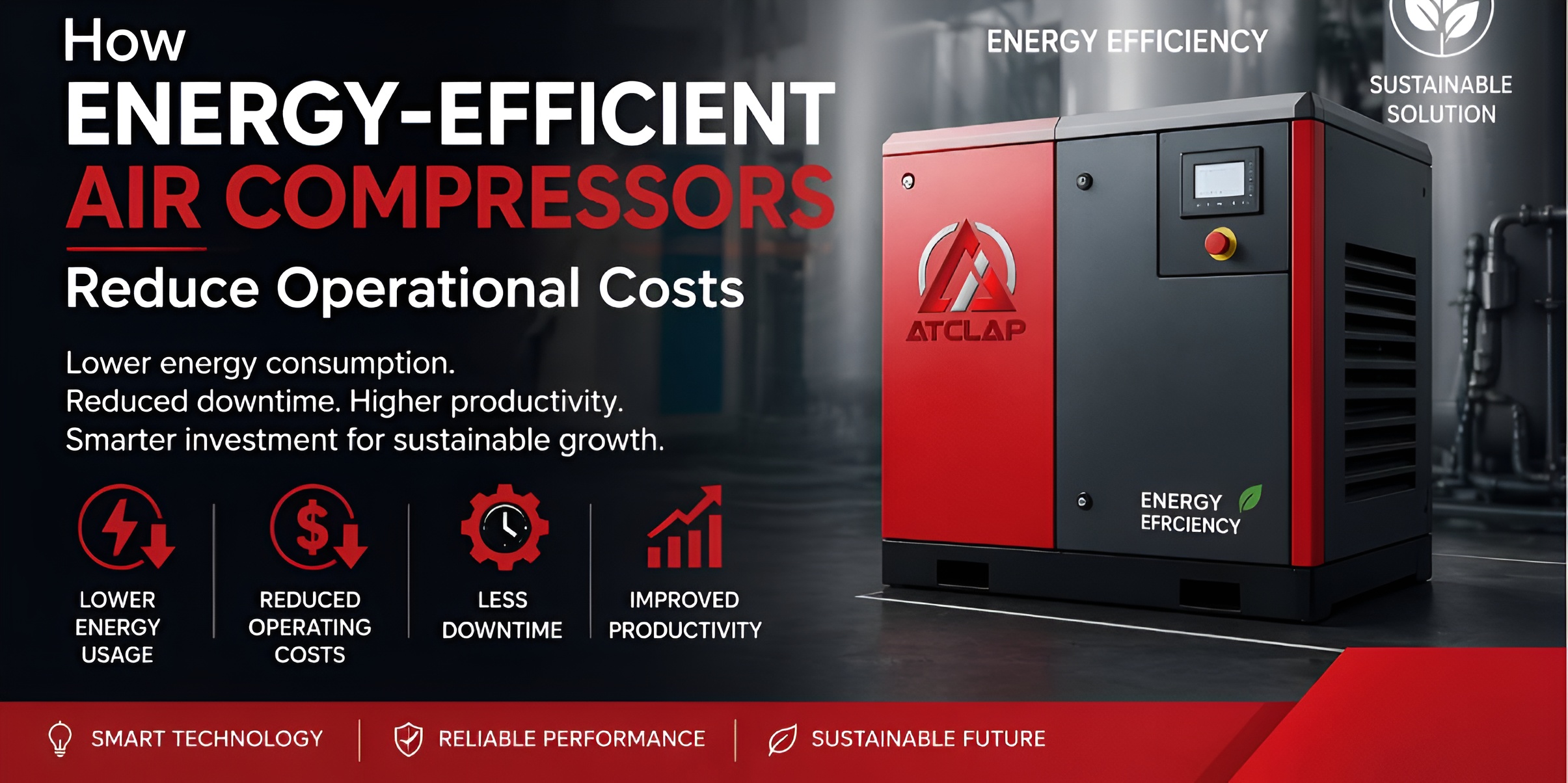
Energy-efficient air compressors are transforming industrial operations by significantly reducing power consumption and operational costs. Traditional compressors often consume excessive energy due to outdated technology and inefficient performance. Modern energy-efficient systems, however, are designed to optimize air output while minimizing energy usage, helping businesses lower electricity bills and improve overall efficiency.
These advanced compressors use intelligent controls, variable speed drives, and optimized components to deliver compressed air only when required. This reduces energy wastage and ensures consistent performance across different industrial applications. As a result, companies can achieve better productivity while maintaining cost-effective operations.
Energy-efficient air compressors are not just machines—they are smart investments that reduce energy consumption, lower operating costs, and enhance long-term industrial performance.
By upgrading to energy-efficient systems, industries can also reduce maintenance costs and extend equipment lifespan. These compressors generate less heat and experience reduced wear and tear, leading to fewer breakdowns and lower servicing requirements. This contributes to smoother operations and increased reliability.
Key Benefits of Energy-Efficient Air Compressors
Investing in energy-efficient air compressors offers multiple advantages that directly impact operational costs and productivity. From reducing energy bills to improving system reliability, these systems are essential for modern industrial environments.
- Lower Energy Consumption with Optimized Performance
- Reduced Electricity Bills and Operational Costs
- Variable Speed Technology for Demand-Based Output
- Less Maintenance Due to Reduced Wear and Tear
- Environment-Friendly Operation with Lower Carbon Emissions
In today’s competitive industrial landscape, adopting energy-efficient air compressors is a strategic decision that drives long-term savings and sustainability. Businesses not only benefit from reduced operational expenses but also contribute to environmental conservation by lowering energy consumption and carbon footprint.